
The complete guide
Choosing a Bean-to-Cup Coffee Machine for Your Daily Routine
Fresh coffee without a separate grinding setup
Making coffee at home can leave you juggling a grinder, a brewer and several small tasks before you even reach for a cup. A bean-to-cup machine puts grinding and brewing in one appliance. That can make sense when you want whole-bean coffee but do not want a separate tool for each stage.
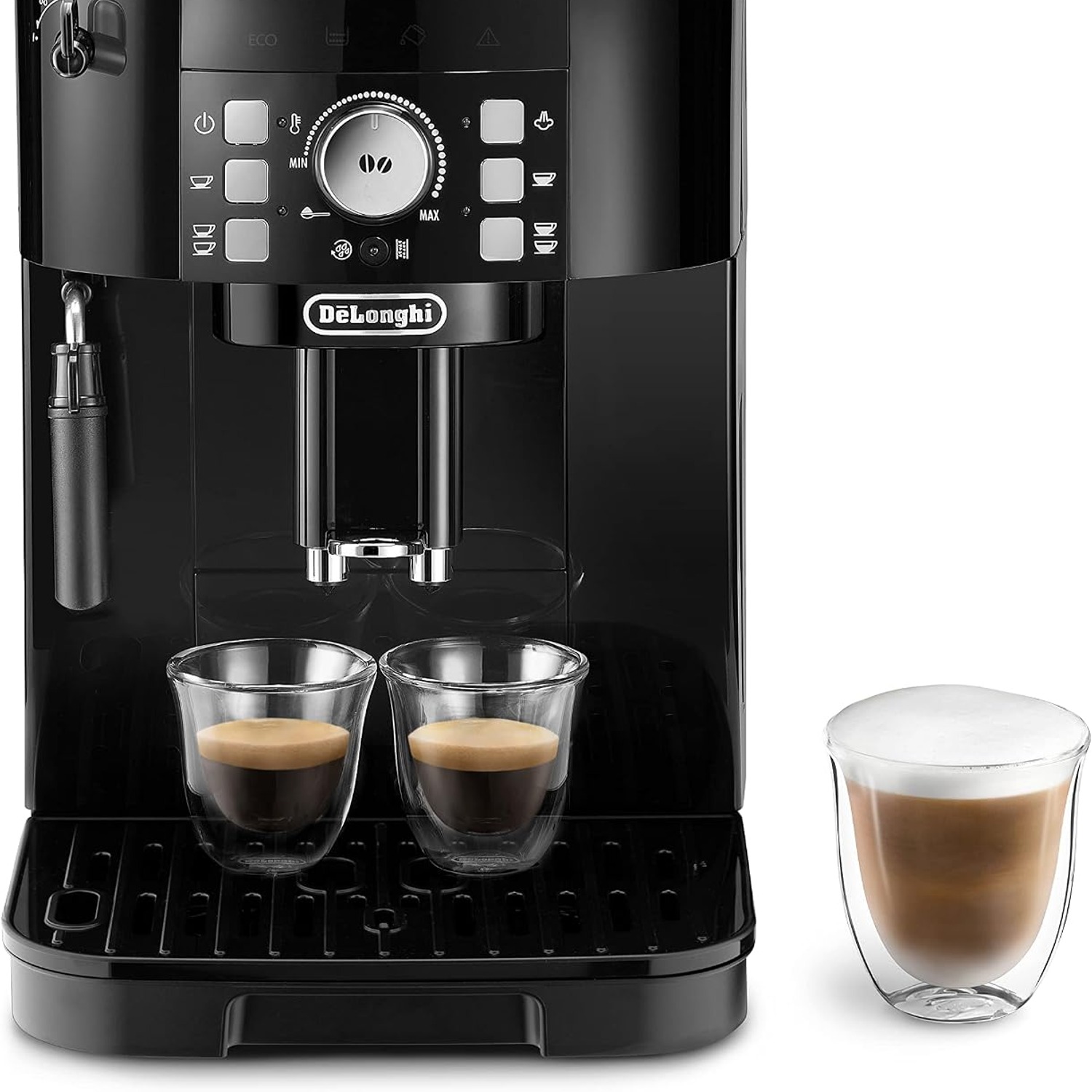
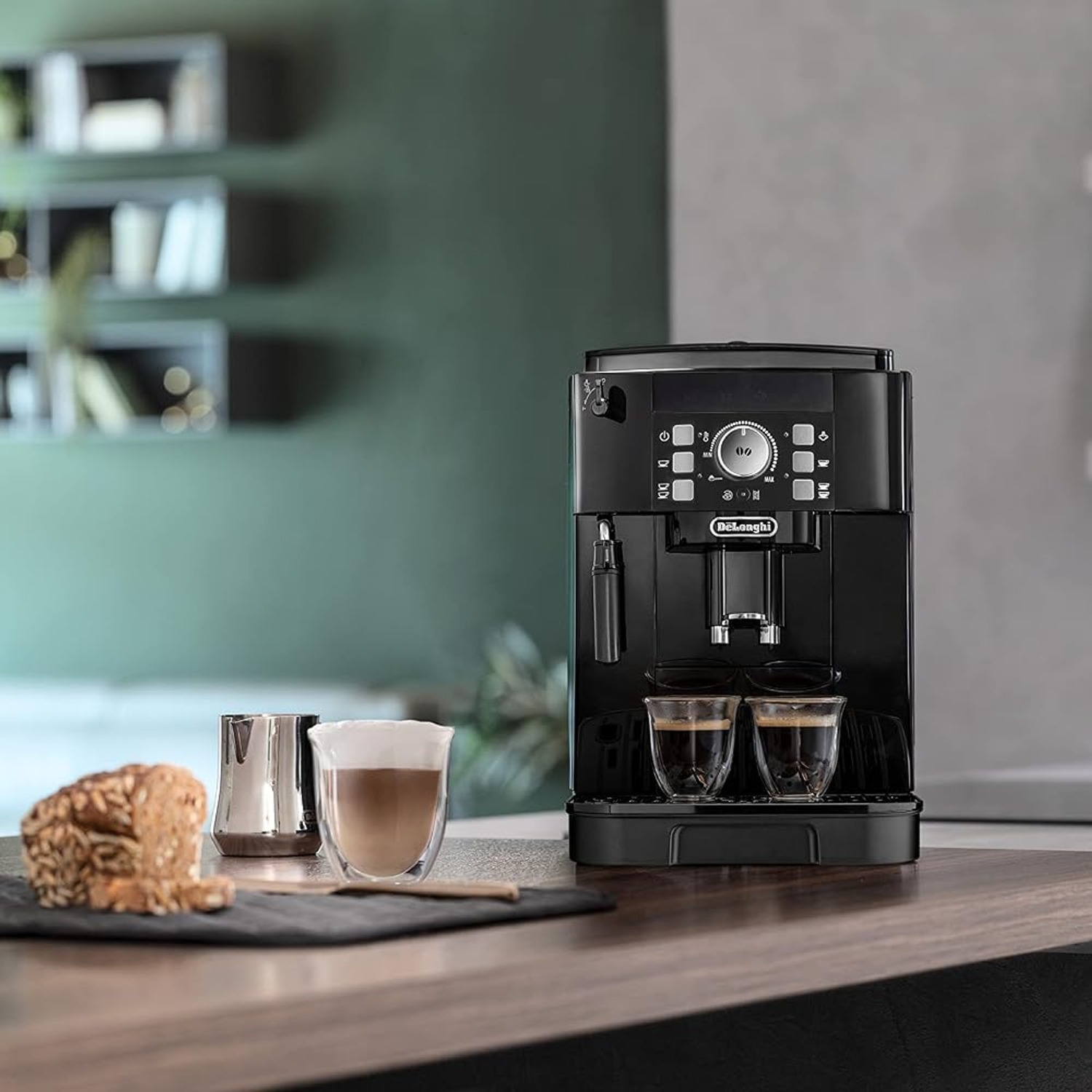
This black fully automatic coffee machine has an integrated grinder, four one-touch recipes and a milk nozzle. It accepts pre-ground coffee too, so whole beans are not your only option.
The useful question is whether those features match the way you drink coffee. Think about your usual drink, the space you have and how much cleaning you are willing to do. Those details matter more than a long feature list.
What bean-to-cup means in daily use
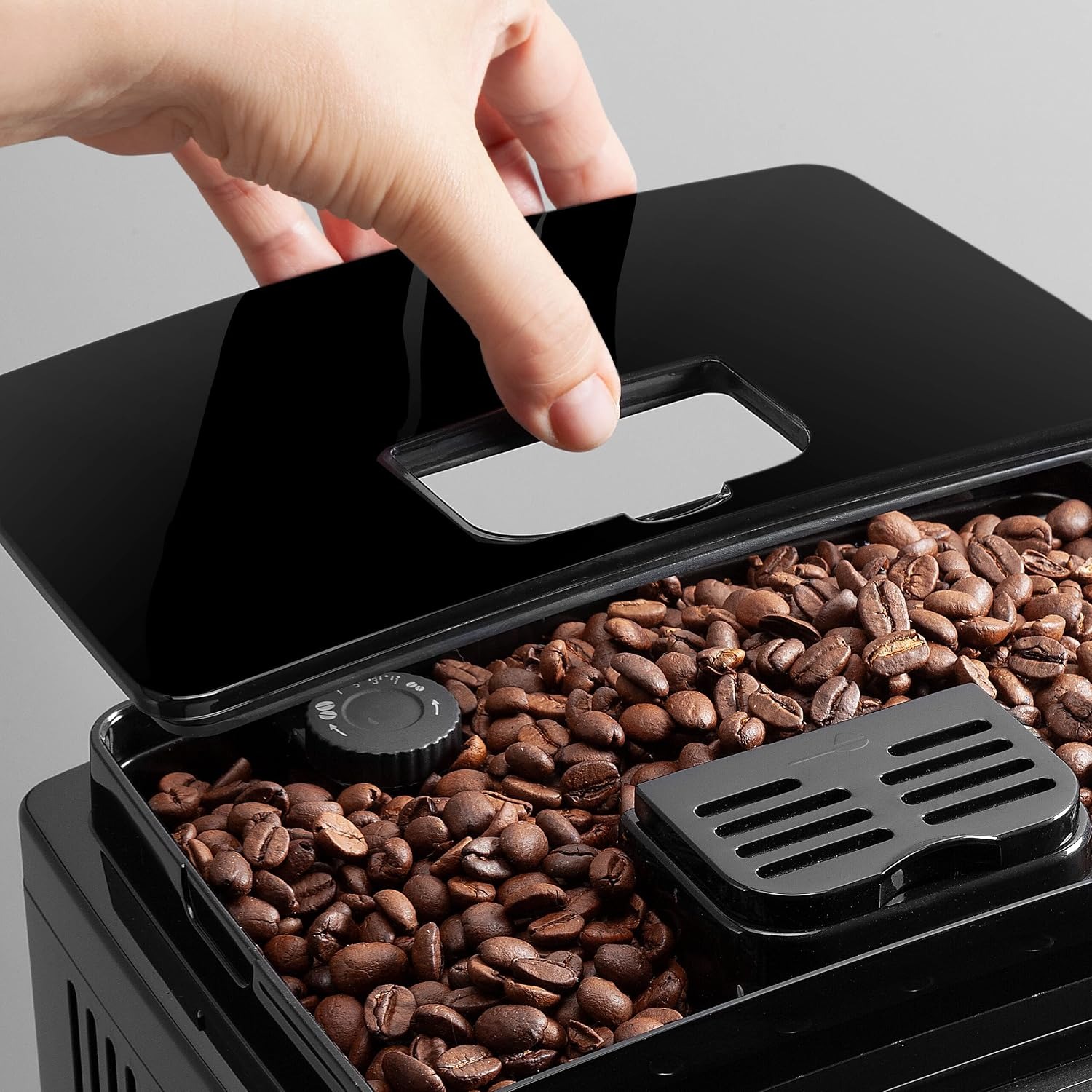
With whole beans loaded, the machine grinds coffee before brewing. The grinder and brewer share one housing, so you do not need to move freshly ground coffee between separate appliances.
This model has a 250 g bean container and an adjustable conical steel grinder. The adjustment lets you change the grinding level, although the maker does not state how many settings are available. Follow the supplied instructions when making changes, especially if adjustment must happen while the grinder is running.
Fresh grinding is one part of the process, not a promise that every bean will taste the same. Your coffee choice still matters. Start with beans you enjoy and learn how the machine responds before changing several things at once. That makes it easier to understand what has affected the cup.
Beans or pre-ground coffee
A coffee machine with grinder may seem aimed only at whole-bean drinkers. Here, a separate compartment also accepts pre-ground coffee. That offers another route when ground coffee is what you have available.
It can be useful in a household where people buy coffee in different forms. However, the maker does not explain the loading method or permitted dose for the ground coffee compartment. Read those directions before the first use.
Keep the two inputs distinct. Do not assume that the bean container can accept ground coffee, or that the ground coffee compartment is intended for storage. Each has a different purpose.
If you mostly use pre-ground coffee, think about how often you will use the integrated grinder. A machine with both inputs offers choice, but the extra feature only adds value when it fits your habits.
Four recipes, with some details to check
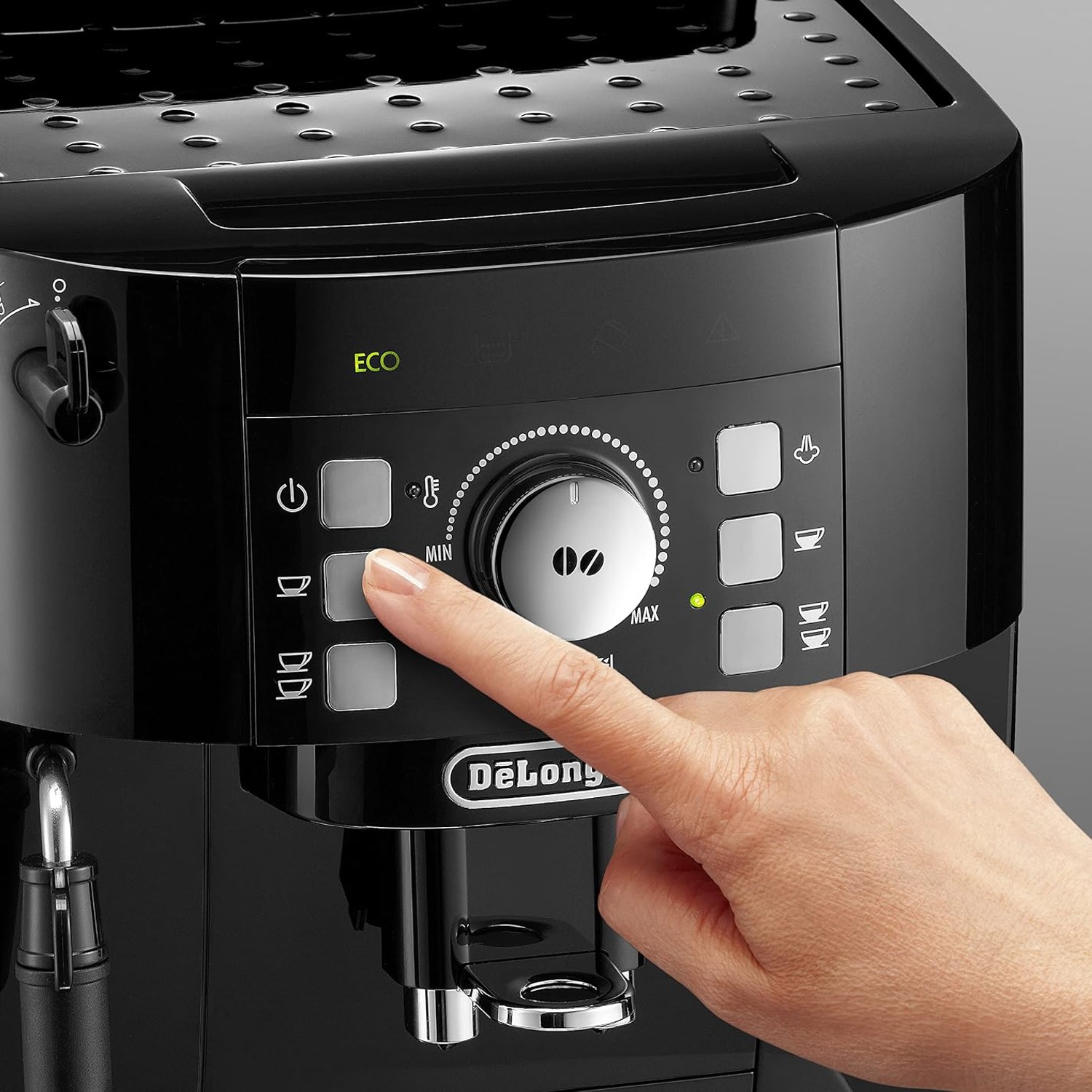
The maker states that this is a one touch coffee machine with four recipes. It also describes a soft-touch control panel, with buttons and touchscreen input listed in the specifications.
That gives you a clear outline of the controls, but not a full drinks menu. The four recipe names are not given by the maker. Espresso is the stated use, so it would be unwise to assume a particular long coffee or milk drink has its own button.
Before buying, write down the drinks you actually want to make. If a named recipe is essential, ask for confirmation. The same applies to cup volume, strength adjustment and temperature settings, none of which are detailed here. A short check now is better than discovering later that a favourite option works differently than expected.
Understand the milk nozzle
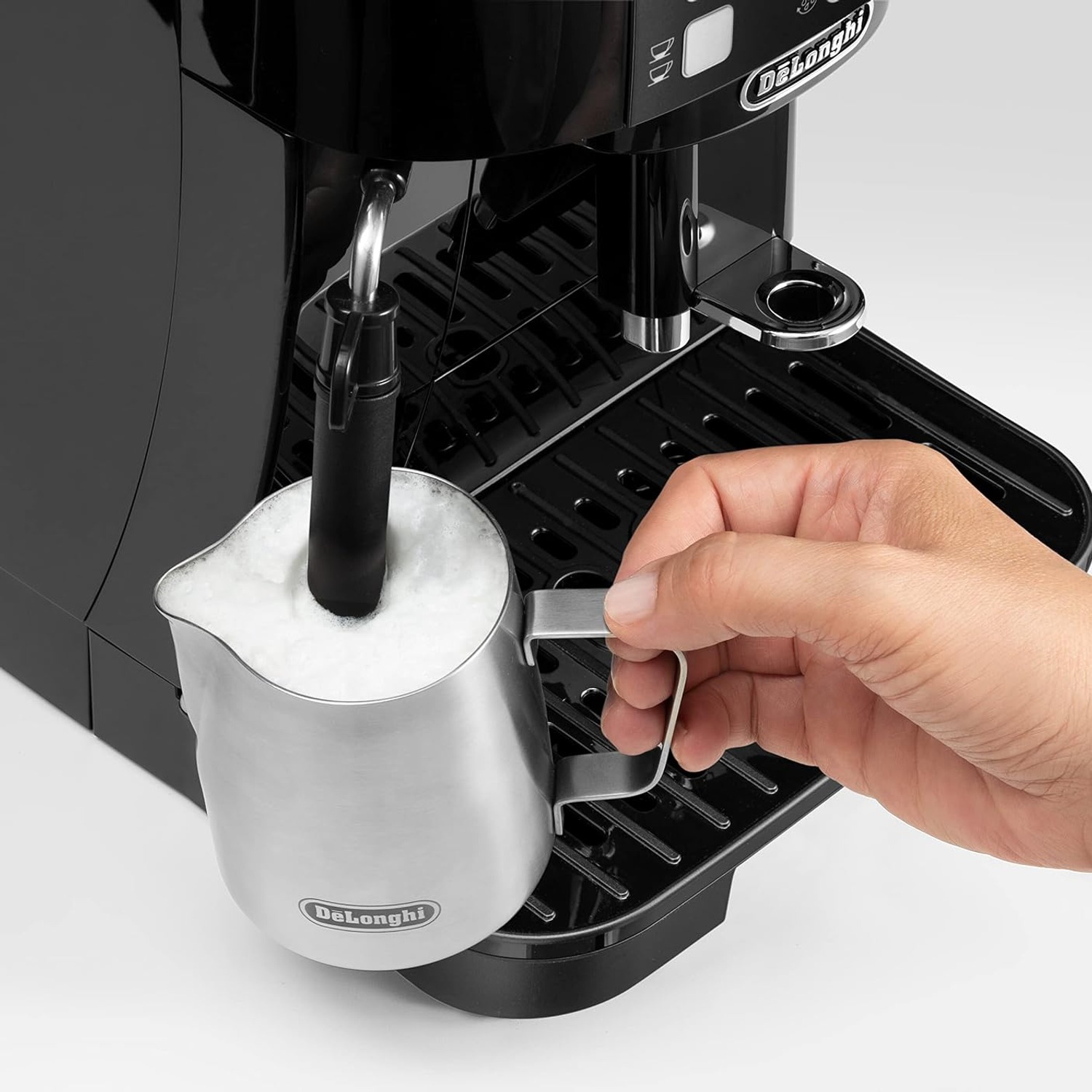
A milk nozzle is included. That is worth noting if you like milk with your coffee, but it does not establish that the machine handles the whole milk process automatically.
The maker does not describe an integrated milk container, automatic milk dispensing or a one-touch milk drinks menu. Treat those as open questions rather than implied features of a fully automatic espresso machine.
Consider how much hands-on milk preparation you are comfortable with. Someone who enjoys preparing milk may have different needs from someone who wants a finished drink from one button.
Cleaning also belongs in that decision. Follow the supplied directions for the nozzle after use, and allow hot parts to cool before handling them. If milk drinks are central to your routine, ask for the milk preparation instructions before committing.
Measure more than the footprint
The listed dimensions are 43 cm deep, 23 cm wide and 34 cm high. Depth deserves close attention. A machine can fit across a counter yet leave too little room in front for comfortable use.
Measure the intended position rather than judging from photographs. Check the space above it as well, particularly if it will sit beneath cupboards. You need practical access for filling and cleaning, not just enough room to slide the appliance into place.
The maker does not show how every compartment opens or where each removable part comes out. Confirm those details if your space is tight.
At 9 kg, this is also a machine to place thoughtfully. Choose a stable surface where you can use it without frequent lifting. Leave any ventilation or safety clearances required by the supplied instructions.
Home use and shared office use
Home and office are both listed as recommended settings. For a home espresso machine, the main questions are often drink choice, available space and whether the cleaning routine fits around the rest of the day.
A shared office adds other concerns. People need to know how to refill the machine, empty used coffee and clean the milk nozzle. Decide who will take care of those jobs rather than leaving them to whoever notices first.
The maker does not state a daily cup capacity or a commercial duty rating. An office recommendation alone does not tell you how it will handle a busy workplace.
Water tank capacity is also missing. If several people will make coffee throughout the day, ask about that before buying. Refill frequency can make a real difference in a shared kitchen.
Heating and electrical checks
This machine has a Thermoblock heating system that heats the water required for each beverage. Its listed power rating is 1450 W.
Those facts do not tell you the exact brewing temperature, warm-up time or energy use per cup. If any of those points will affect your decision, request the missing information rather than drawing conclusions from wattage alone.
The listed style is AU, but the maker does not provide voltage, frequency or plug specifications.
Confirm that the supplied unit is suitable for the power supply at your delivery address. Do not treat the presence of local pricing as proof of compatibility. This is a practical check for any electrical appliance bought online, and it is worth completing before payment.
Cleaning that fits your routine
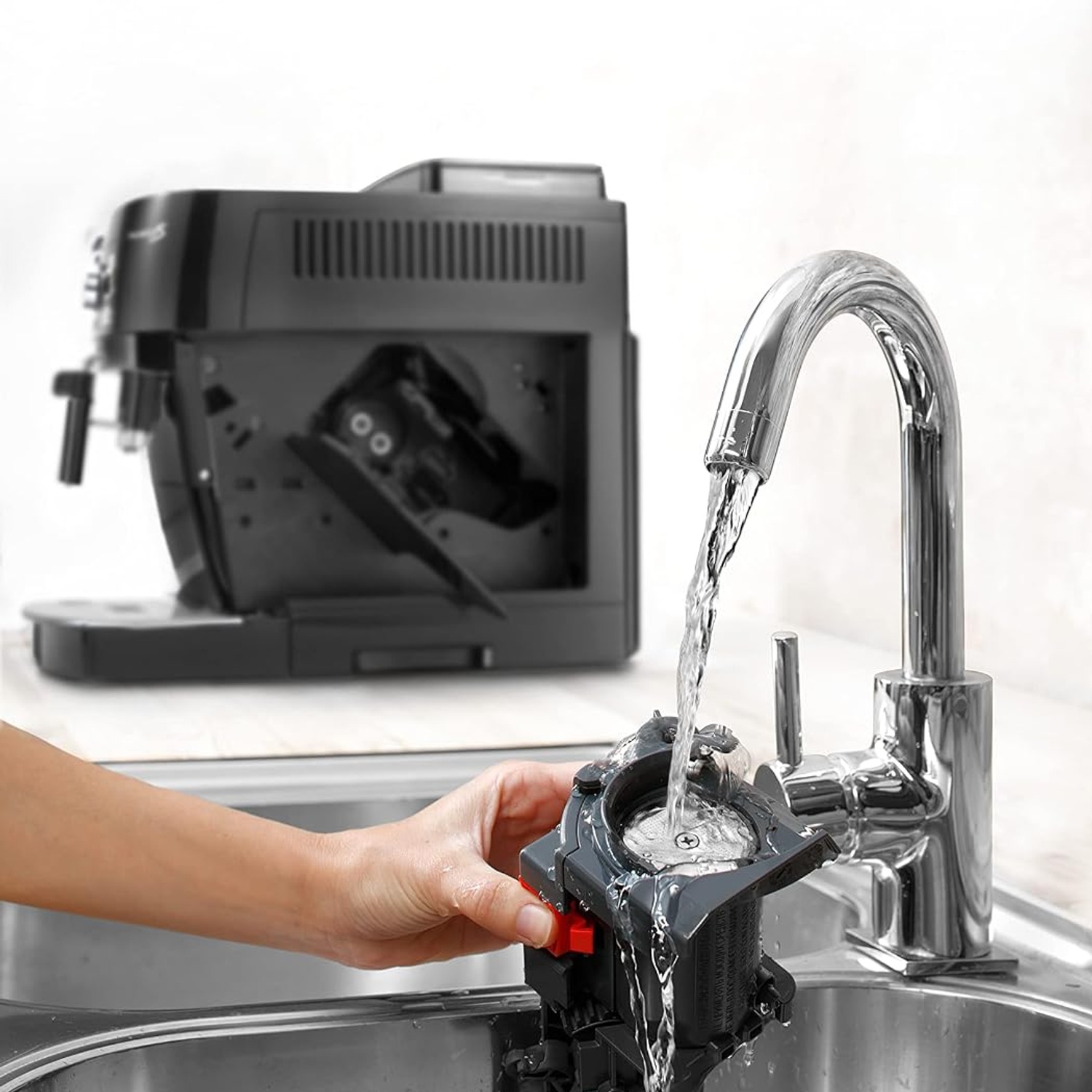
Selected removable parts are dishwasher-safe. That can reduce hand-washing, but it does not make the entire machine dishwasher-safe. The electrical body should never be immersed in water.
The exact dishwasher-safe parts are not named in the maker's description. Use the supplied instructions to identify them before loading anything into a dishwasher. Removable does not automatically mean dishwasher-safe.
Plan for routine cleaning as part of ownership. Wipe the outside with a soft damp cloth when the machine is safely switched off and cool. Clean the milk nozzle as directed after use.
Follow the manufacturer's cleaning and descaling guidance too. The maker does not give a descaling interval or name a suitable product. Avoid guessing at either, particularly if local water conditions affect the recommended schedule.
Compare the facts that matter to you
When comparing a black espresso machine with other options, separate confirmed features from missing details. Here, the confirmed features include both coffee inputs, an adjustable integrated grinder, four one-touch recipes, a reusable filter and a milk nozzle.
Useful unanswered questions include water tank capacity, recipe names, electrical specifications and warranty terms. None of those gaps proves that the machine is unsuitable. They simply show where you may need more information.
Think about your priorities in order. If your main aim is to grind beans and brew espresso in one appliance, this format is relevant. If you need automatic milk drinks, a certain cup size or frequent office service, get those points confirmed first.
For a gift, make the same checks on the recipient's behalf. Counter space and drink preferences are more useful guides than appearance alone.
The short version
This automatic coffee machine black option brings whole-bean grinding and brewing together, while keeping a separate route for pre-ground coffee. Its four one-touch recipes, milk nozzle and dishwasher-safe removable parts are the main practical features to consider.
Measure your space, confirm the drinks menu and check local electrical compatibility. Then review delivery, warranty and returns information for your our.
A good buying decision comes from matching the machine to the coffee you make every day. Choose on confirmed details, leave room for proper care and ask about anything important that the maker does not specify.